
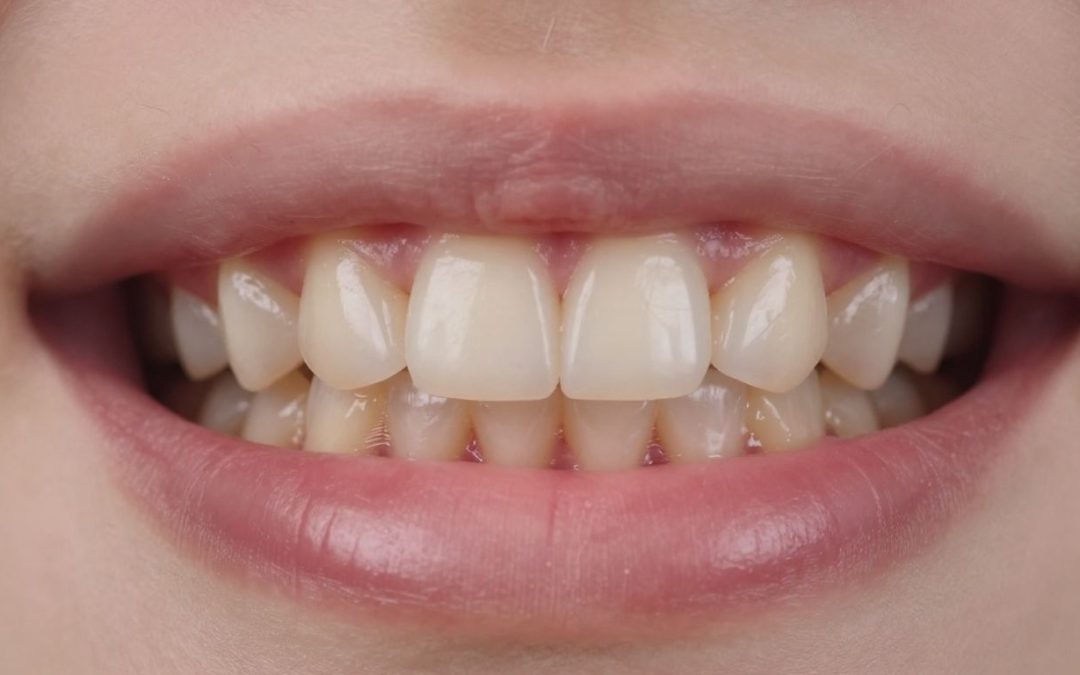
Seeing your gums pull back from your teeth can be pretty unsettling. You might notice your teeth look longer, or maybe they’re more sensitive to hot and cold drinks. It’s a common issue, but one that shouldn’t be ignored. If you’re wondering how to fix receding gums, the good news is there are ways to manage it and prevent it from getting worse, though the gum tissue itself usually doesn’t grow back on its own. Let’s break down what causes this and what you can do about it.
Key Takeaways
- Receding gums happen when gum tissue pulls away from the teeth, exposing the roots. This often makes teeth look longer and can cause sensitivity.
- While gum tissue doesn’t naturally grow back once it recedes, treatments can stop further recession and protect your teeth.
- Common causes include aggressive brushing, gum disease, genetics, teeth grinding, and hormonal changes.
- Treatment options range from professional deep cleanings and gum grafting surgery to simpler home care adjustments.
- Preventing future recession involves gentle brushing, daily flossing, regular dental check-ups, and avoiding tobacco.
What Are Receding Gums?
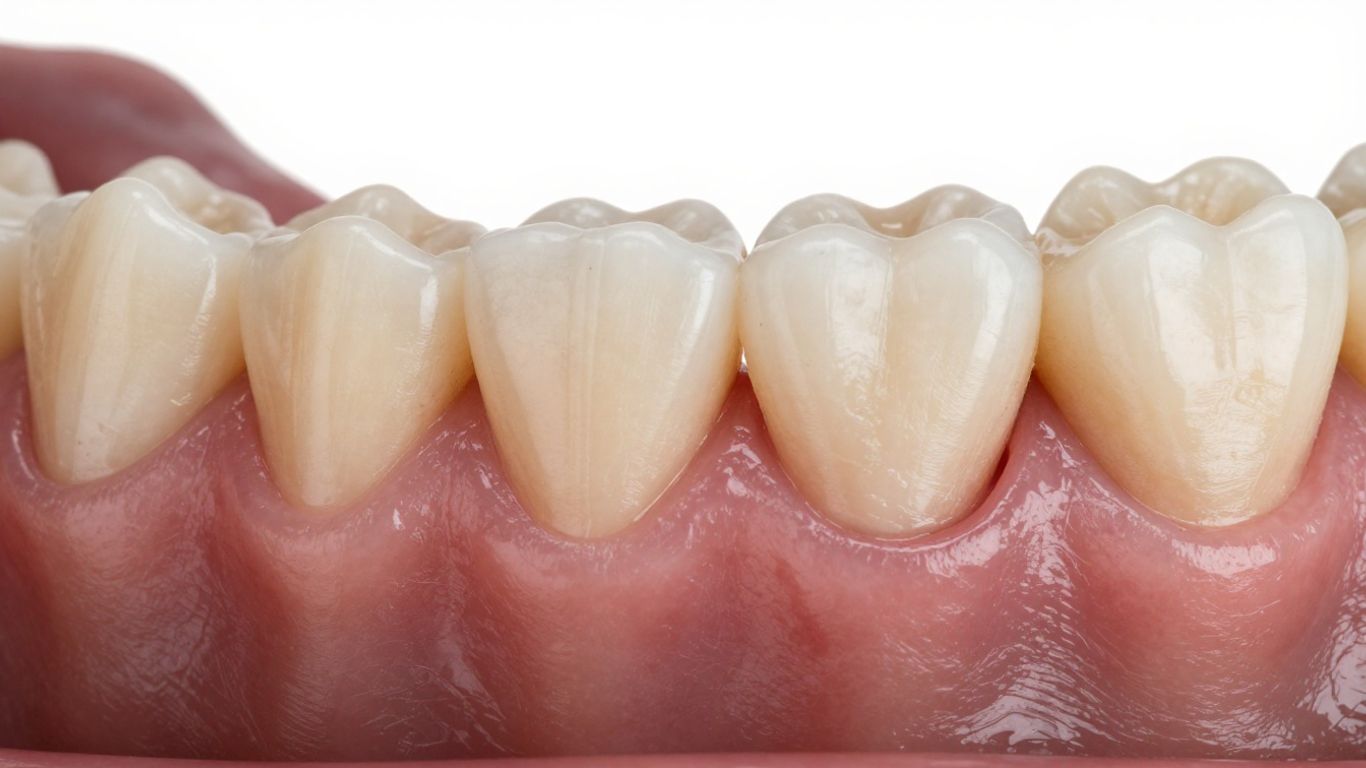
So, you’ve heard the term “receding gums” and maybe you’re wondering what exactly that means. Basically, it’s when the gum tissue that surrounds your teeth starts to pull back. This pulling away exposes more of the tooth, and sometimes even the root, which isn’t supposed to be visible. It’s like the gum line is shrinking, leaving your teeth looking longer than they should.
This isn’t just a cosmetic issue, though it can certainly affect how your smile looks. When the roots of your teeth become exposed, they can become more sensitive to hot and cold temperatures. You might also notice bleeding when you brush or floss, or just a general feeling that something isn’t right. It’s a gradual process, so sometimes people don’t notice it until it’s become more noticeable.
Gum recession means your gum line is moving backward, exposing parts of your teeth that are normally covered. This can lead to sensitivity and other problems if not addressed.
It’s important to understand that once your gums recede, they generally don’t grow back on their own. That’s why catching it early and figuring out why it’s happening is so important. The good news is that there are ways to manage it and prevent it from getting worse. If you’re experiencing any of the signs, like your teeth looking longer or feeling more sensitive, it’s a good idea to talk to your dentist about gum recession and what might be causing it.
Common Causes of Receding Gums
Trying to figure out why your gums are pulling back? You’re not alone. The causes of gum disease and recession aren’t always obvious, but knowing what’s behind it helps you take control of your dental health. Let’s dig into the biggest culprits and why you might be seeing more tooth than you’d like.
Periodontal Disease
This is easily the most common reason for gums receding. Periodontal disease—also called gum disease—happens when bacteria build up under your gum line. The infection starts mild, but if left unchecked, it can slowly destroy gum tissue and the bone holding your teeth. Symptoms like bleeding, redness, and swelling can all signal gum disease.
- Main Risks:
- Plaque and tartar buildup
- Smoking
- Poor brushing and flossing habits
Aggressive Brushing or Flossing
Sometimes, trying to keep your teeth extra clean backfires. Brushing too hard or using a hard-bristled toothbrush can scrape away at your sensitive gum tissue, leading to gum recession. Even flossing too roughly can do more harm than good. Gentle is best!
| Brushing Style | Gum Recession Risk |
|---|---|
| Gentle, soft-bristled | Low |
| Hard, aggressive | High |
If you’re not sure what’s gentle enough, try reading tips on gentle brushing techniques.
Genetics
Some folks just have thinner or weaker gum tissue thanks to their DNA. If your parents or siblings have receding gums, you might be at higher risk even with good care. Genetics also influence how your body responds to bacteria or inflammation.
Hormonal Changes
Hormones do plenty of weird things to the body, including your mouth. Changes during puberty, pregnancy, or menopause can make your gums more sensitive, increasing the chances they’ll pull back or get inflamed. Women are especially prone to gum shift at certain stages in life.
Teeth Grinding (Bruxism)
Grinding your teeth puts extra pressure on the tissues supporting your teeth. Over time, that strain can damage gums and encourage recession. Most people don’t notice they grind their teeth at night until a dentist calls it out. Wearing a nightguard can help minimize this risk.
Gum recession can be triggered by more than one cause at once. Sometimes, it’s a mix of genetics, brushing habits, and underlying gum disease all speeding things along.
In short: The main causes of gum disease and recession boil down to bacteria, your daily habits, family history, hormone swings, and teeth grinding. If you notice your gums pulling back, figuring out “why” is the first step to stopping the process.
Recognizing the Signs of Receding Gums
Sometimes, receding gums don’t make a big fuss when they start. It’s a slow process, and you might not even notice it at first. But there are definitely things to look out for. One of the most common things people notice is that their teeth start to look longer than they used to. This happens because the gum tissue is pulling back, exposing more of the tooth’s root.
Another big clue is sensitivity. If your teeth suddenly feel a bit zingy when you drink something cold or hot, that could be a sign. The roots of your teeth don’t have that protective enamel layer like the rest of the tooth, so when they’re exposed, they can get pretty sensitive. You might also notice little gaps forming between your teeth and the gum line. Sometimes, your gums might look a bit red or even bleed a little after you brush or floss. Persistent bad breath can also be an indicator that something’s up with your gums.
Here are some of the key things to keep an eye on:
- Teeth appearing longer than usual
- Increased sensitivity to hot or cold temperatures
- Visible tooth roots
- Bleeding or red, swollen gums
- Gaps developing between teeth and gums
- Persistent bad breath
It’s really important not to brush these signs off. What might seem like a minor change now can become a bigger problem down the road if it’s not addressed. Gum recession doesn’t just go away on its own, and it can lead to more serious issues like tooth decay or even tooth loss if left untreated. Catching it early is the best way to manage it. Finding a reliable bradford dentist is a good first step if you’re worried.
If you’re seeing any of these changes, it’s a good idea to schedule an appointment with your dentist. They can take a good look, figure out what’s going on, and help you get a plan in place to stop it from getting worse. Early detection really makes a difference in how well things can be managed and treated. You can find out more about the common causes of receding gums to see if anything sounds familiar.
How to Fix Receding Gums: Treatment Options
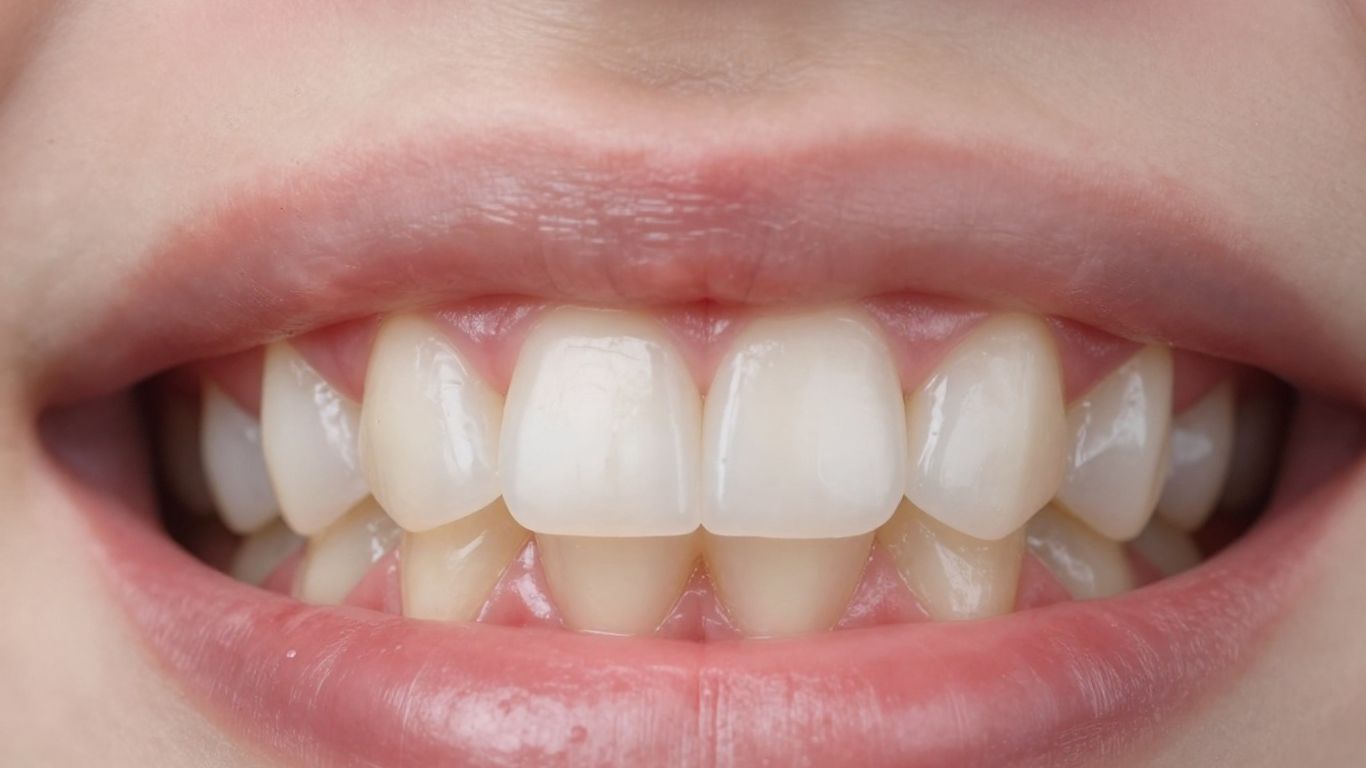
When it comes to gum recession treatment options, there’s really no one-size-fits-all answer. Fixing receding gums usually depends on how much tissue you’ve lost and what caused it in the first place. Dentists often recommend a mix of professional treatments alongside changes you can make at home. Here’s a look at the main approaches for how to fix receding gums.
Professional Dental Treatments
If your gums have pulled back a lot or the roots are exposed, seeking help from a dentist or periodontist is key. Here are some common professional treatments:
- Scaling and Root Planing: Deep cleaning below the gumline to get rid of plaque and tartar. This doesn’t regrow the lost gum but helps slow further recession and control gum disease.
- Soft Tissue Grafting: Grafting surgery is used to cover exposed roots or reinforce thin gums. Tissue (often from your palate or another source) is stitched to the area with recession. It helps protect teeth and improves how your gums look. For details on when this is recommended, check out information from a periodontist’s perspective.
- Pinhole Surgical Technique: A less invasive method, where the gum tissue is shifted to cover exposed roots using small incisions.
- Laser Therapy: Removes diseased tissue and bacteria, sometimes making healing quicker and reducing discomfort.
| Treatment | Helps With | Surgical? |
|---|---|---|
| Scaling & Root Planing | Mild/moderate recession | No |
| Soft Tissue Graft | Advanced/visible root exposure | Yes |
| Pinhole Technique | Cosmetic, minor surgeries | Minimally |
| Laser Therapy | Infections, early recession | Sometimes |
While these options can’t make gum tissue grow back naturally, they’re reliable for restoring a healthier, stronger gumline and often relieve tooth sensitivity.
Home Remedies and Lifestyle Changes
Alongside dental treatments, a few steps at home can prevent gum loss from getting worse and protect existing tissue:
- Use a soft-bristled toothbrush and brush gently.
- Floss carefully—don’t snap or push hard.
- Choose an antibacterial mouthwash to control bacteria.
- Quit smoking or using tobacco products.
- Wear a night guard if you grind your teeth.
- Visit your dentist for regular cleanings and early checks.
Sometimes just changing your brushing habits or switching products can make a difference if your gum recession is mild. But always get professional advice before relying on a home-only approach—some cases need advanced dental solutions like gum recession treatments.
The right gum recession treatment options depend on your mouth: stage of recession, underlying causes, and your daily habits all matter.
By combining dental care and healthy routines, you’ll have the best shot at stopping gum recession from getting worse and keeping your gums strong in the long run.
Preventing Gum Recession in the Future
If your gums have already receded or you’re worried about preventing further gum loss, small changes really matter. The best way to stop your gum line from moving back is daily care, protection from trauma, and early attention to any warning signs.
Here are some practical habits to adopt if you want to protect your gums:
- Use a soft-bristled toothbrush and gentle brushing technique; aggressive scrubbing just wears away those edges.
- Floss regularly, but carefully—rushing it can cause more harm than good. Keeping those hidden spaces clean helps keep inflammation under control and fights plaque, one of the main causes of recession. If you need some pointers, check out this advice on regular flossing for healthier gums.
- Avoid tobacco as much as possible. Smoking slows healing and worsens gum problems fast.
- If you grind or clench your teeth, consider using a nightguard. Excess pressure can stress your gums and make recession worse. You might not even realize you’re doing it in your sleep—taking steps to stop this habit really can make a difference. Here are some tips on reducing teeth grinding and staying hydrated that actually help your gum health.
- Visit your dentist for cleanings and checkups. Even if your teeth feel fine, early gum issues can be hard to notice on your own.
Keeping gums healthy is mostly about balance—being thorough but gentle, ditching rough habits, and listening to what your mouth tells you. Slowing down to care for your teeth now can save you a ton of hassle (and money) later.
Stick to these basics, and you’ll be well-equipped to keep your gums in good shape for the long haul.
Wrapping Up: Taking Charge of Your Gum Health
Whether it’s switching to a softer toothbrush, kicking a bad habit, or getting professional treatment like a gum graft, there are definitely ways to stop things from getting worse. The main takeaway is that paying attention to your gums early on is incredibly important. Don’t wait until your teeth become overly sensitive or start looking noticeably longer. Regular dental check-ups are one of the best ways to catch problems early and develop the right treatment plan for your needs.
At RiverEdge Dental, we’re committed to helping patients protect their gum health and maintain healthy smiles for years to come. Taking care of your gums is a big part of keeping your entire mouth healthy, so stay proactive and don’t ignore the warning signs.
Frequently Asked Questions
Can receding gums grow back on their own?
Unfortunately, once your gum tissue has pulled back, it generally doesn’t grow back naturally. The main focus of treatment is to stop further recession and protect your teeth. Sometimes, procedures can help restore some gum coverage.
What’s the best way to fix receding gums?
The best fix depends on why your gums are receding and how severe it is. For mild cases, improving your brushing technique and oral hygiene might be enough. More serious cases might need professional treatments like deep cleaning or even gum grafting surgery.
How can I help receding gums at home?
At home, you can help by being gentle when you brush your teeth with a soft-bristled brush, flossing daily to remove plaque, and using an antibacterial mouthwash. Avoiding tobacco use and managing teeth grinding are also important steps.
Is gum disease a common cause of receding gums?
Yes, gum disease, also known as periodontitis, is a very common reason for gums to recede. It’s a bacterial infection that can damage the gum tissue and the bone holding your teeth.
Does a deep cleaning (scaling and root planing) fix receding gums?
A deep cleaning helps by removing plaque and tartar buildup that causes gum disease. While it doesn’t make gums grow back, it’s a crucial step to stop the recession from getting worse and to protect your gums.
What are the first signs that my gums might be receding?
Watch out for signs like your teeth looking longer than usual, increased sensitivity to hot or cold foods, visible tooth roots, or noticing that your gum line seems to be shrinking away from your teeth. Bleeding when you brush or floss is also a warning sign.